AI Tools for Backend Developers are changing how developers build APIs, manage databases, debug server-side logic, and scale applications efficiently. Instead of spending hours on repetitive backend tasks, these AI tools help backend developers write cleaner code, detect issues faster, and focus on system architecture and performance.
Postman AI
Postman AI enhances API development by automatically generating tests, documentation, and request flows. It helps backend developers speed up API design and validation.
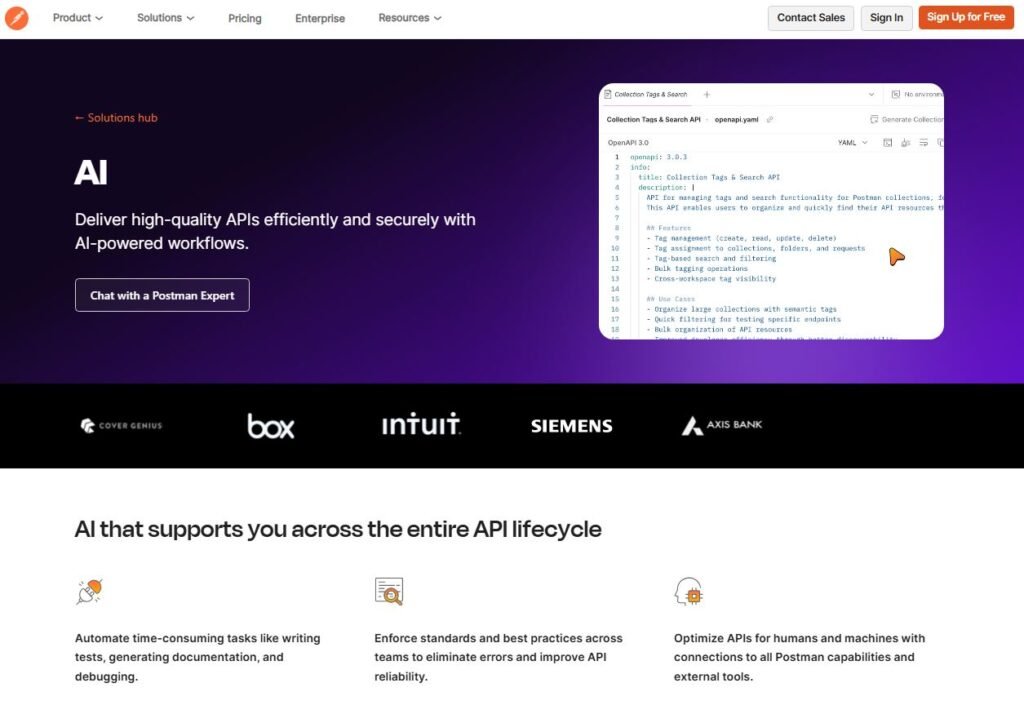
Uses of Postman AI:
- Generating API tests automatically
- Creating clear API documentation
- Improving API debugging workflows
Pros of Postman AI:
- Great for REST and GraphQL APIs
- Saves time on testing and documentation
- Easy integration with existing workflows
Cons of Postman AI:
- Advanced features require paid plans
- Less useful outside API-focused projects
Snyk Code AI
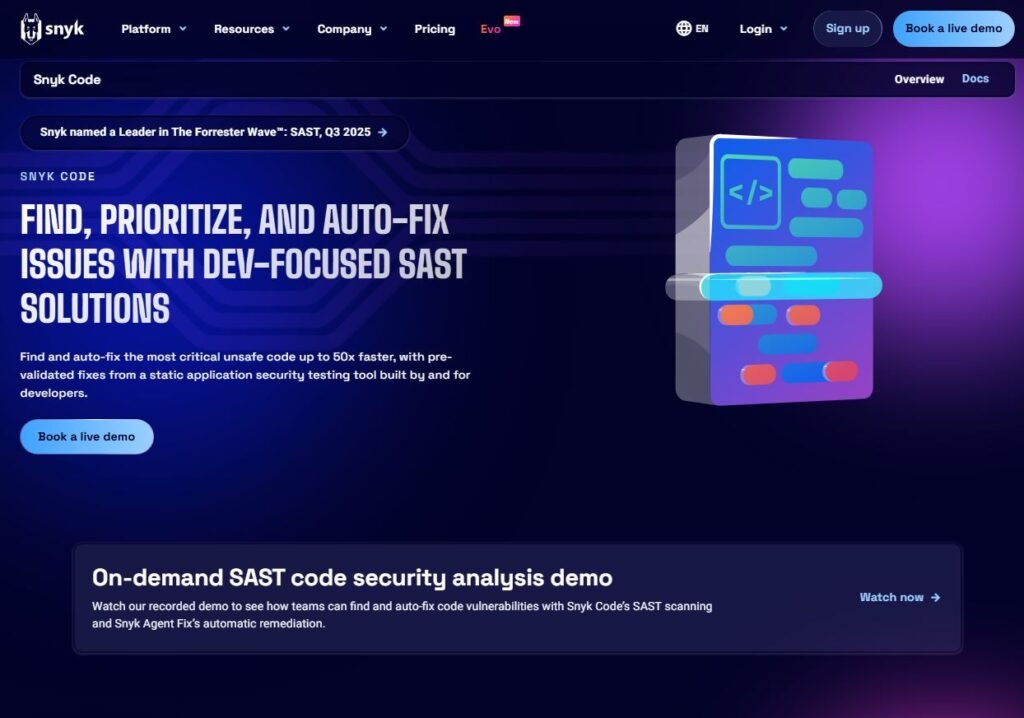
Snyk Code AI focuses on detecting vulnerabilities and security issues directly in backend code. It uses AI to analyze logic flaws beyond simple syntax errors.
Uses of Snyk Code:
- Detecting security vulnerabilities
- Improving code quality
- Preventing insecure backend logic
Pros of Snyk Code:
- Strong security-focused analysis
- Works well with modern backend stacks
- CI/CD friendly
Cons of Snyk Code:
- Can produce false positives
- Advanced scans require paid plans
Railway AI
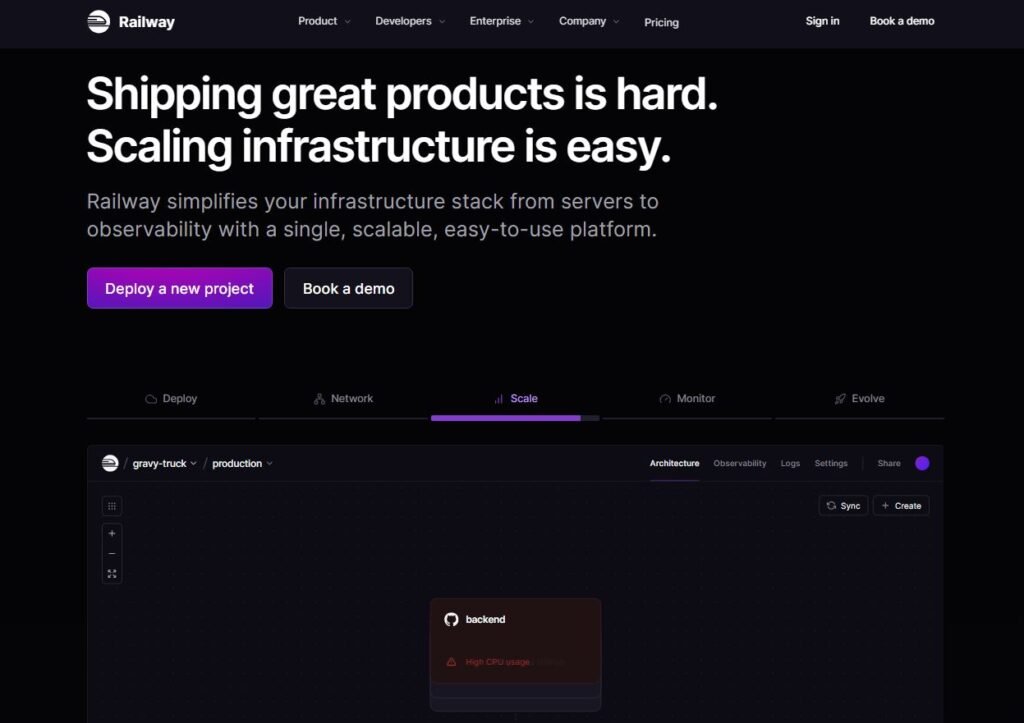
Railway AI helps backend developers deploy, monitor, and manage backend services with minimal configuration. It simplifies infrastructure and DevOps tasks.
Uses of Railway:
- Deploying backend services quickly
- Managing databases and environment variables
- Monitoring backend performance
Pros of Railway:
- Very fast project setup
- Reduces DevOps complexity
- Good for startups and MVPs
Cons of Railway:
- Less control for advanced infrastructure
- Pricing can scale quickly with usage
Supabase AI
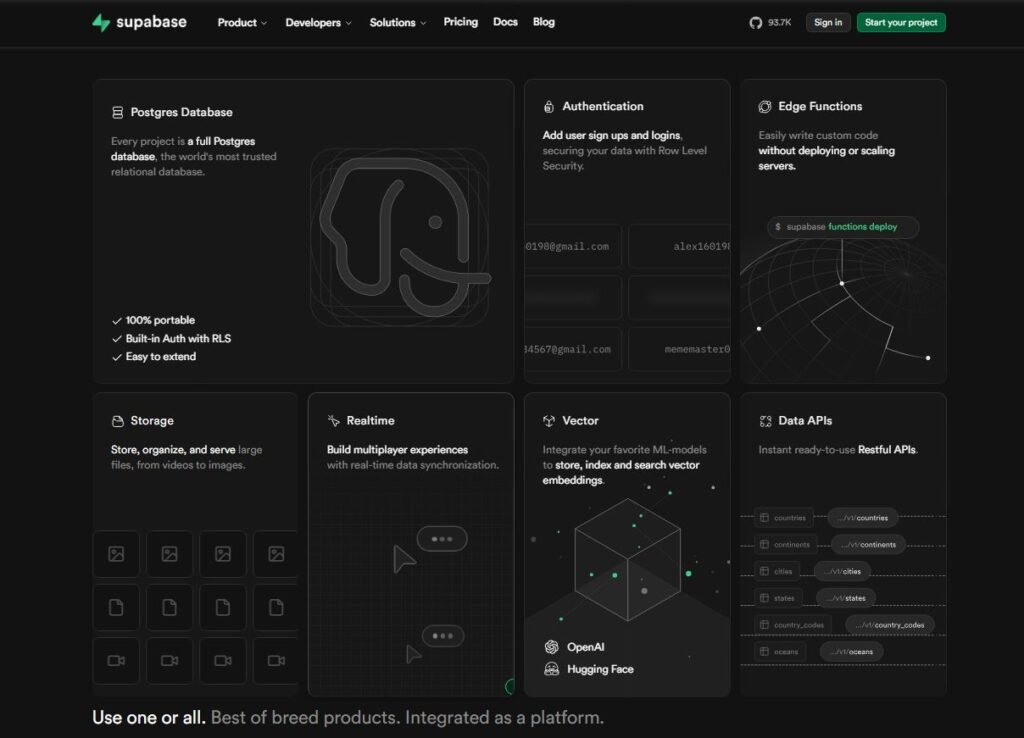
Supabase AI assists backend developers by generating SQL queries, database schemas, and backend logic for PostgreSQL-based systems.
Uses of Supabase AI:
- Writing SQL queries faster
- Managing backend authentication
- Building serverless backend features
Pros of Supabase AI:
- Excellent database-focused AI
- Works well with modern backend stacks
- Easy integration with frontend
Cons of Supabase AI:
- PostgreSQL-only focus
- Requires database knowledge for best results
DeepSource AI
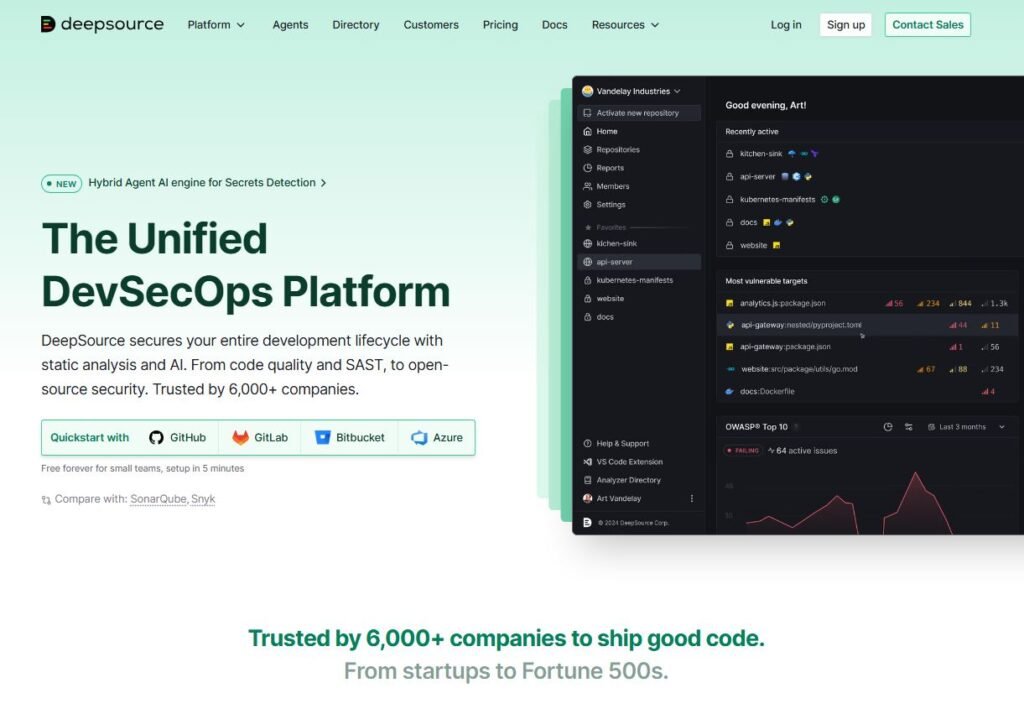
DeepSource AI automatically analyzes backend codebases to detect performance, security, and maintainability issues before production.
Uses of DeepSource:
- Static code analysis
- Detecting backend performance issues
- Enforcing best practices
Pros of DeepSource:
- Improves long-term code quality
- Works with many backend languages
- CI/CD integration
Cons of DeepSource:
- Setup requires configuration time
- Can overwhelm beginners with reports
Why These AI Tools Matter for Backend Developers
Backend development involves complex logic, security concerns, and scalability challenges. These AI tools help backend developers:
- Write secure and clean server-side code
- Detect bugs and vulnerabilities early
- Optimize APIs and database queries
- Reduce DevOps and infrastructure overhead
Final Thoughts
The AI Tools for Backend Developers are designed to improve efficiency—not replace backend expertise. When used correctly, these tools allow developers to focus on architecture, scalability, and system reliability while AI handles repetitive and error-prone tasks.